The Cultural Meanings of Jewelry: Symbols Beyond Beauty
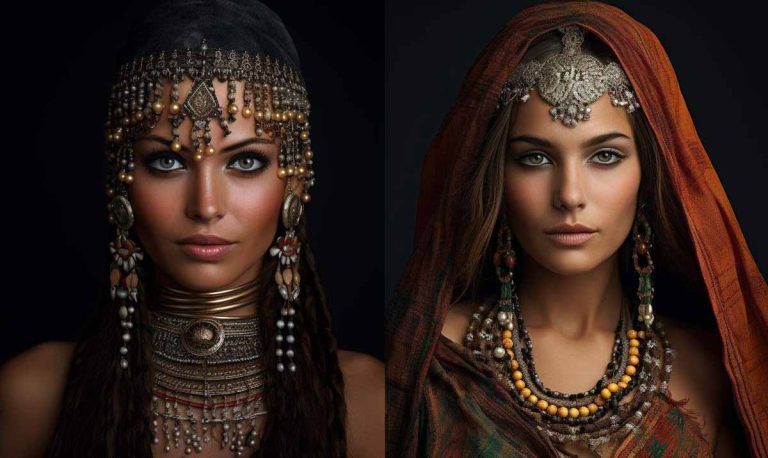
Jewelry does more than shine. It carries messages of identity, tradition, and belief. Each piece can reveal history, faith, or social rank. You should see jewelry as more than decoration because it reflects culture across generations.
What Role Does Jewelry Play in Different Cultures?
Jewelry often serves as a cultural marker. In many societies, it signifies wealth, power, or social status. A necklace, ring, or bracelet can represent family honor or community ties. Each ornament holds value beyond its design.
How Does Jewelry Reflect Spiritual Beliefs?
Many traditions connect jewelry to faith and protection. Egyptians used amulets as symbols of safety and eternal life. Hindu practices link gold to purity and divine blessings. Islamic culture favors silver rings engraved with verses for guidance. Christian crosses show devotion and loyalty to faith.
What Do Materials and Stones Mean?
Gold conveys prosperity and permanence. Silver expresses balance and peace. Diamonds stand for clarity and strength. Jade in Chinese culture signals luck and harmony. Turquoise holds a special significance among Native Americans, offering protection and a deep connection to nature. Each material speaks its own cultural language.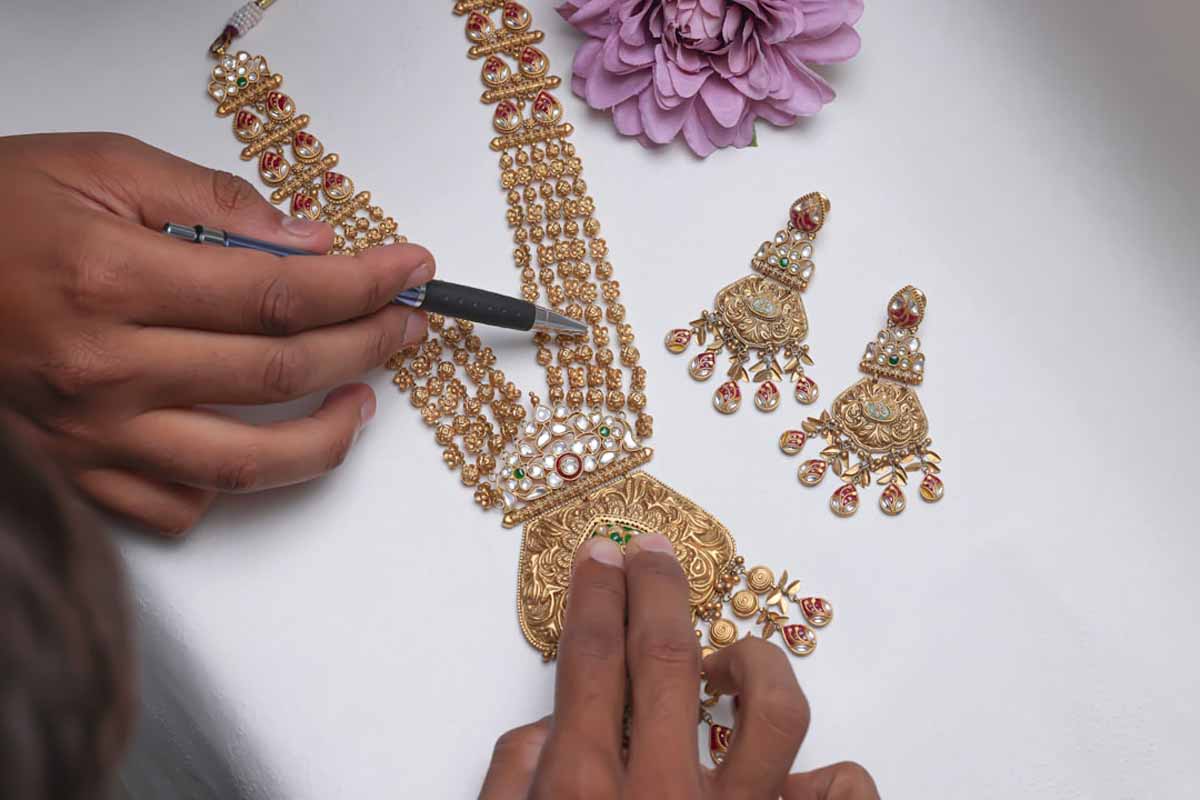
How Does Jewelry Mark Life Events?
Important milestones often include jewelry. Indian brides often wear gold sets as a symbol of fortune and family blessings. Western weddings often feature diamond rings as symbols of eternal promises. African beadwork celebrates stages of life and tribal identity. Victorian England valued mourning jewelry as tokens of love and remembrance.
Why Does Jewelry Still Matter Today?
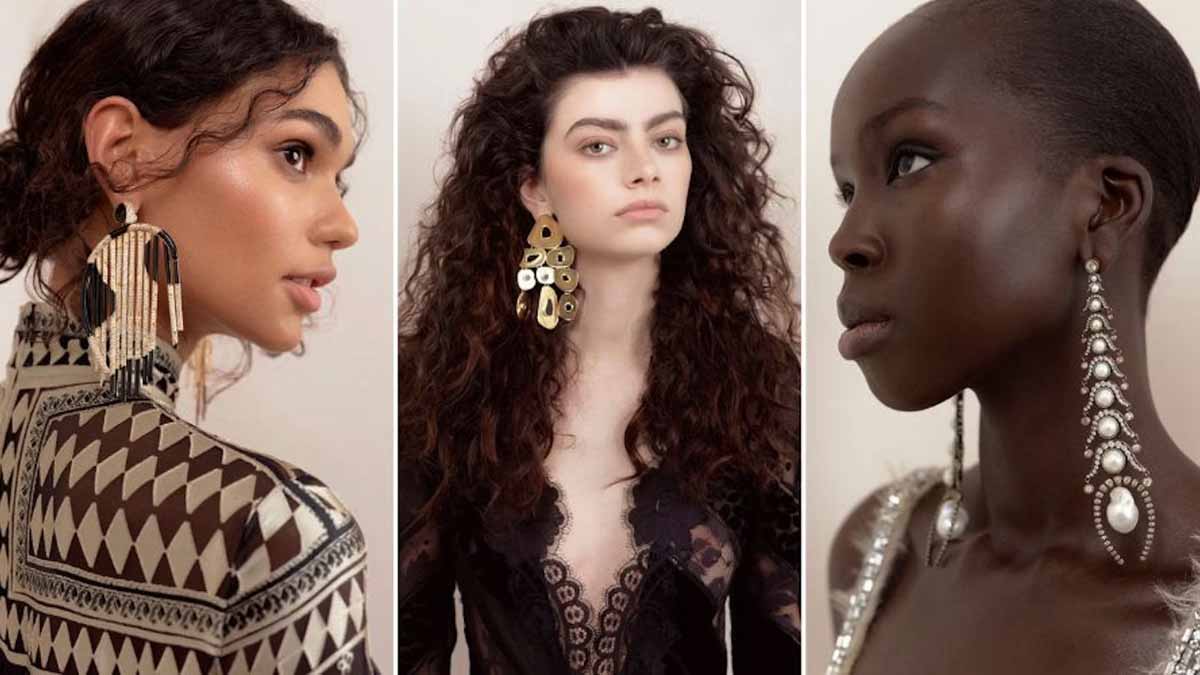
Jewelry continues to link people to heritage. A modern pendant can follow fashion trends while echoing ancient meaning. Cultural roots remain visible in rings, bangles, and charms. Jewelry endures as a bridge between personal expression and shared tradition.