Karat vs Carat: Key Differences in Gold Purity and Gemstone Weight
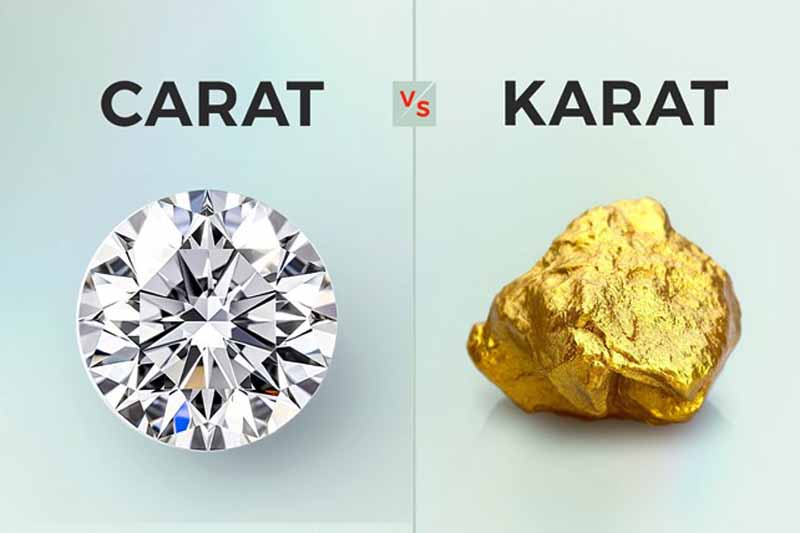
Jewelry buyers often hear two terms that sound similar but mean very different things: karat and carat. Confusion arises because both relate to jewelry, yet they measure different qualities.
You should know the exact difference to avoid mistakes when purchasing gold or gemstones.
What Does Karat Mean?
Karat (abbreviated as “K” or “kt”) measures the purity of gold.
- Pure gold equals 24 karats.
- Each karat represents one part of pure gold out of 24.
- Higher karats mean higher purity but also softer metal.
Examples:
- 24K: 100% pure gold.
- 18K: 75% gold and 25% alloy metals.
- 14K: 58.3% gold and 41.7% alloy metals.
Alloy metals such as copper, silver, or nickel are added to strengthen the gold and alter its color. Jewelers use these blends to create pieces durable enough for daily wear.
What Does Carat Mean?
Carat (abbreviated as “ct”) measures the weight of gemstones such as diamonds, sapphires, rubies, or emeralds.
- One carat equals 0.2 grams or 200 milligrams.
- Jewelers often divide carats into 100 points for precise measurement. For example, a 0.75-carat diamond is referred to as a “75-pointer.”
Carat weight influences the value of a gemstone but does not guarantee quality. A large stone may lack brilliance or clarity, so experts consider other factors such as cut, clarity, and color.
Key Differences Between Karat and Carat
Definition
- Karat: Measures gold purity.
- Carat: Measures gemstone weight.
Unit of Measurement
- Karat: Out of 24 parts.
- Carat: Metric weight unit (0.2 grams).
Application
- Karat: Applies to gold jewelry.
- Carat: Applies to diamonds and other gemstones.
Influence on Price
- Higher karat gold often costs more due to purity but may be less durable.
- Higher carat gemstones usually cost more due to weight, but cut and clarity matter too.
Why Do People Confuse Them?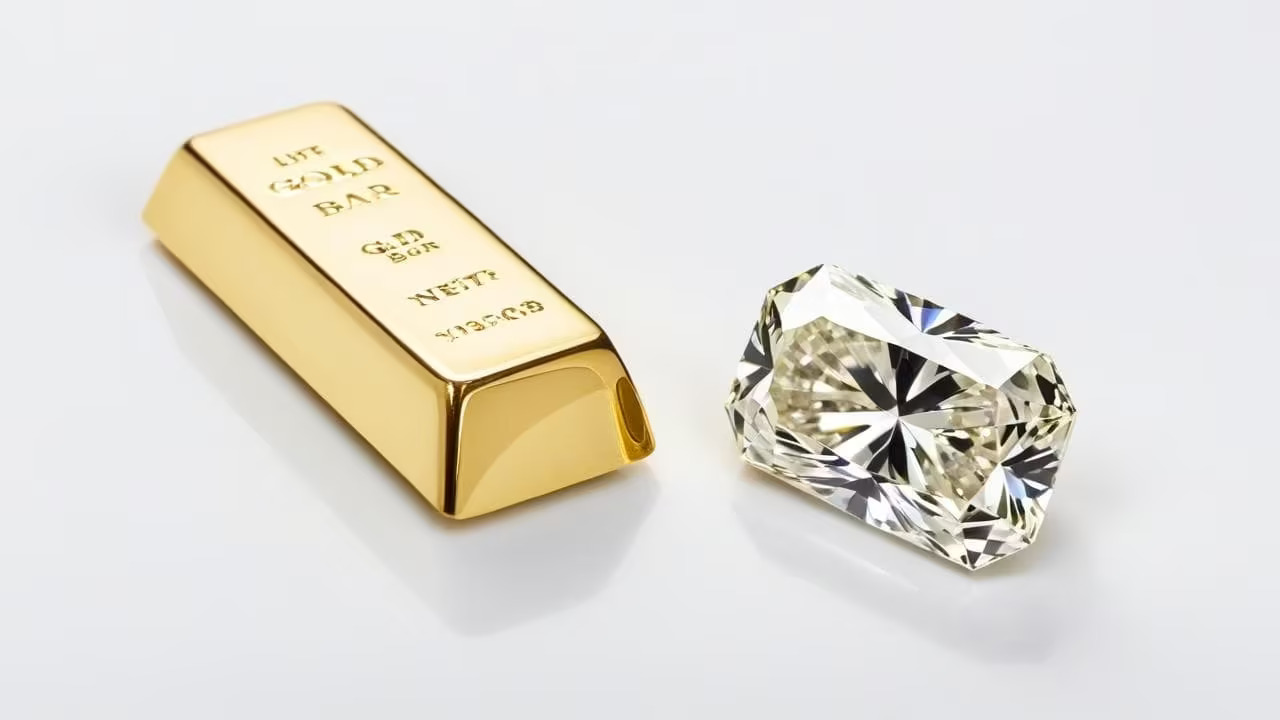
Both terms sound almost the same, and both deal with jewelry. The spelling difference is subtle, so many assume they mean the same thing. In reality, karat refers only to gold purity, while carat refers only to gemstone weight.
Practical Tips for Buyers
- Check if the label says “K” or “kt” when buying gold. That shows purity, not weight.
- Look for “ct” when evaluating diamonds or gemstones. That shows weight, not purity.
- Remember that durability matters as much as purity. For everyday wear, 14K or 18K gold is usually more practical than 24K.
- For gemstones, focus on the full “4Cs”: carat, cut, clarity, and color.
Final Word
You avoid costly mistakes when you understand the difference between karat and carat. One tells you how pure the gold is, the other tells you how heavy a gemstone is. Both affect price and quality, but in completely different ways.