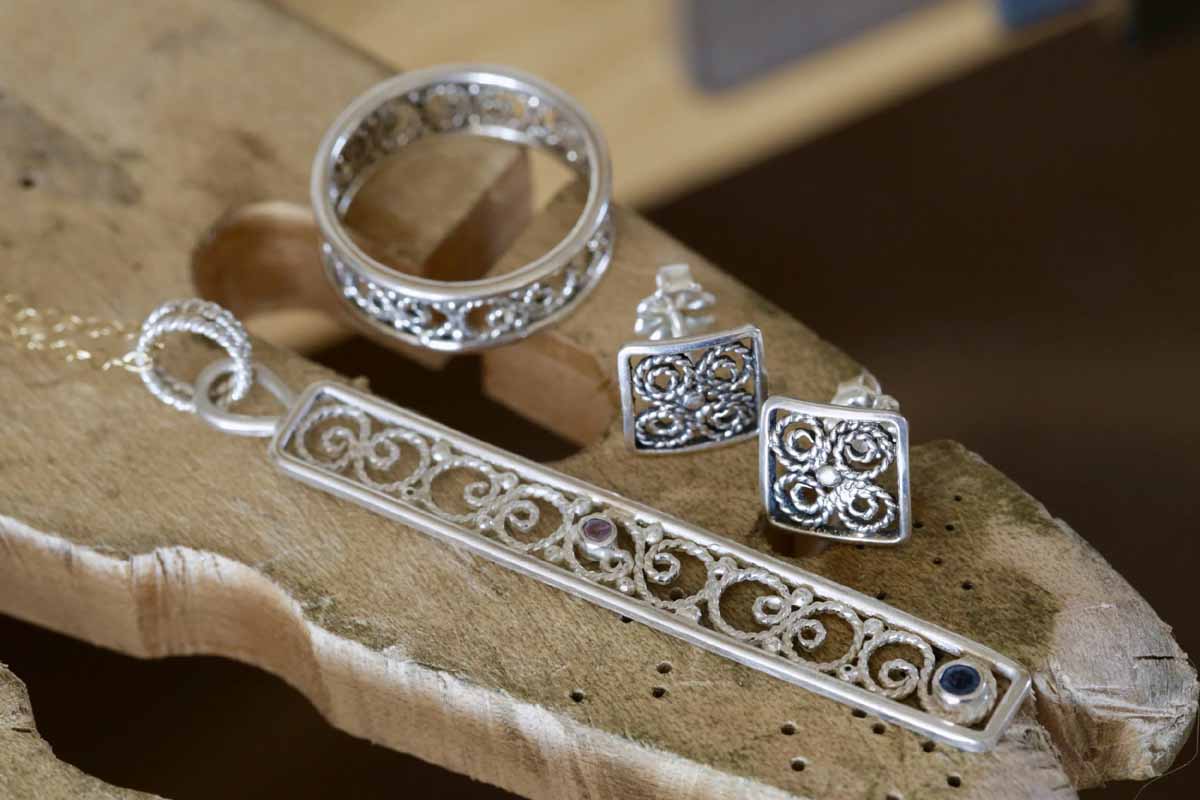
Filigree Jewelry: A Timeless Art of Metal Threads and Heritage
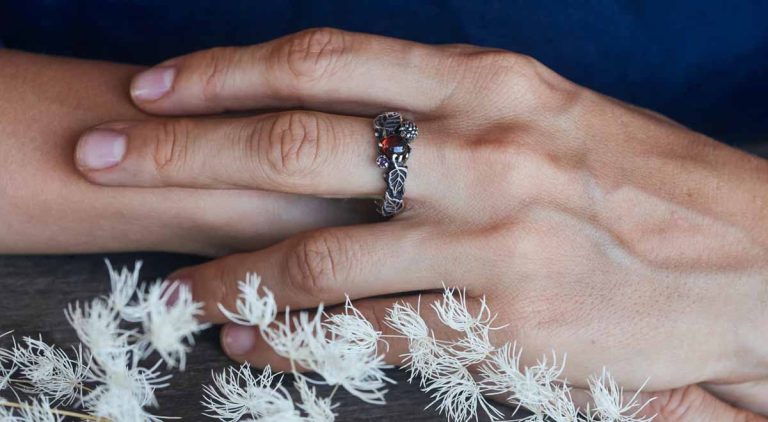
Fine metal threads form a delicate art known as filigree jewelry. Skilled artisans twist, curl, and fuse thin gold or silver wires into lace-like shapes. Each pattern reveals elegance, patience, and heritage.
How Did Filigree Jewelry Begin?
The craft dates back several thousand years. Early jewelers in Mesopotamia, Egypt, and Greece shaped gold and silver into complex wirework. The Latin words filum (thread) and granum (grain) inspired the term “filigree.”
Ancient rulers wore it on crowns, rings, and ornaments. Over time, the art spread across Europe, India, and the Middle East, gaining regional character.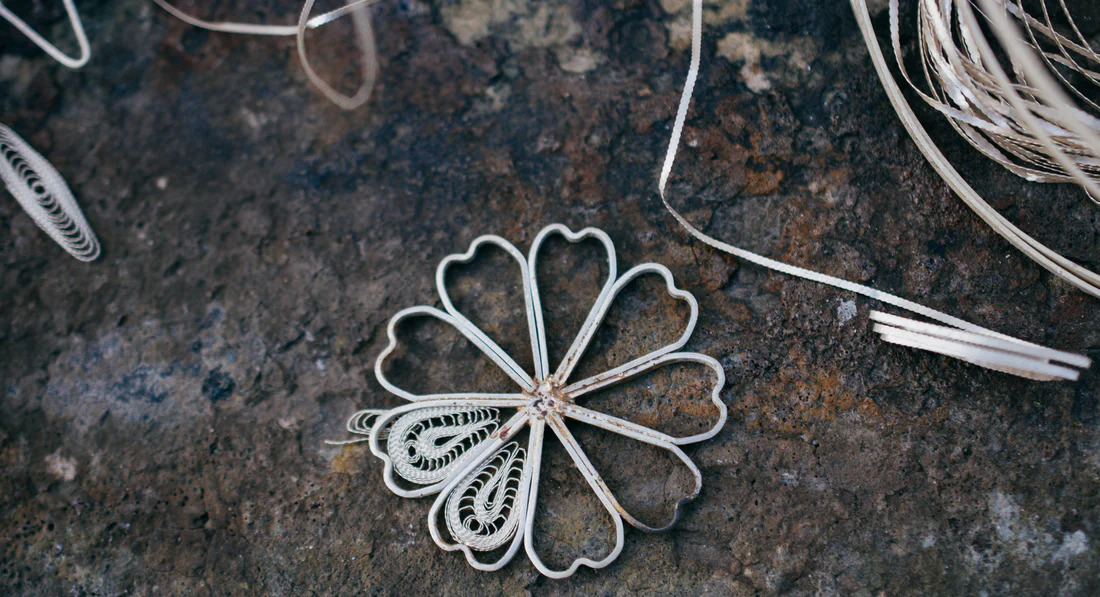
What Gives Filigree Jewelry Its Distinction?
The detail sets it apart. Artists work with wires thinner than a strand of hair, shaping every curve by hand. Each pattern shows balance and control rather than machine precision. No molds or heavy presses influence the outcome. Every line speaks of skill and discipline.
How Do Jewelers Create Filigree Jewelry?
1. Wire Formation – Gold or silver stretches into ultra-thin threads.
2. Design Sketch – A basic outline defines the intended shape.
3. Wire Arrangement – Craftsmen curve and coil the wires into floral or spiral motifs.
4. Joining Process – Heat fuses the joints without disturbing the form.
5. Finishing Touch – Polishing brings out the shine and clarity.
A single misstep can alter symmetry, so steady focus remains vital through all stages.
What Are the Main Types of Filigree Jewelry?
- Classic Filigree – Reflects ancient and regional motifs.
- Contemporary Filigree – Shows sleek and minimal patterns.
- Beaded Filigree – Combines fine beads with wire outlines.
- Open Filigree – Features airy spaces that create a lace effect.
Each style expresses a different balance of heritage and fashion.
Why Do Collectors Admire Filigree Jewelry?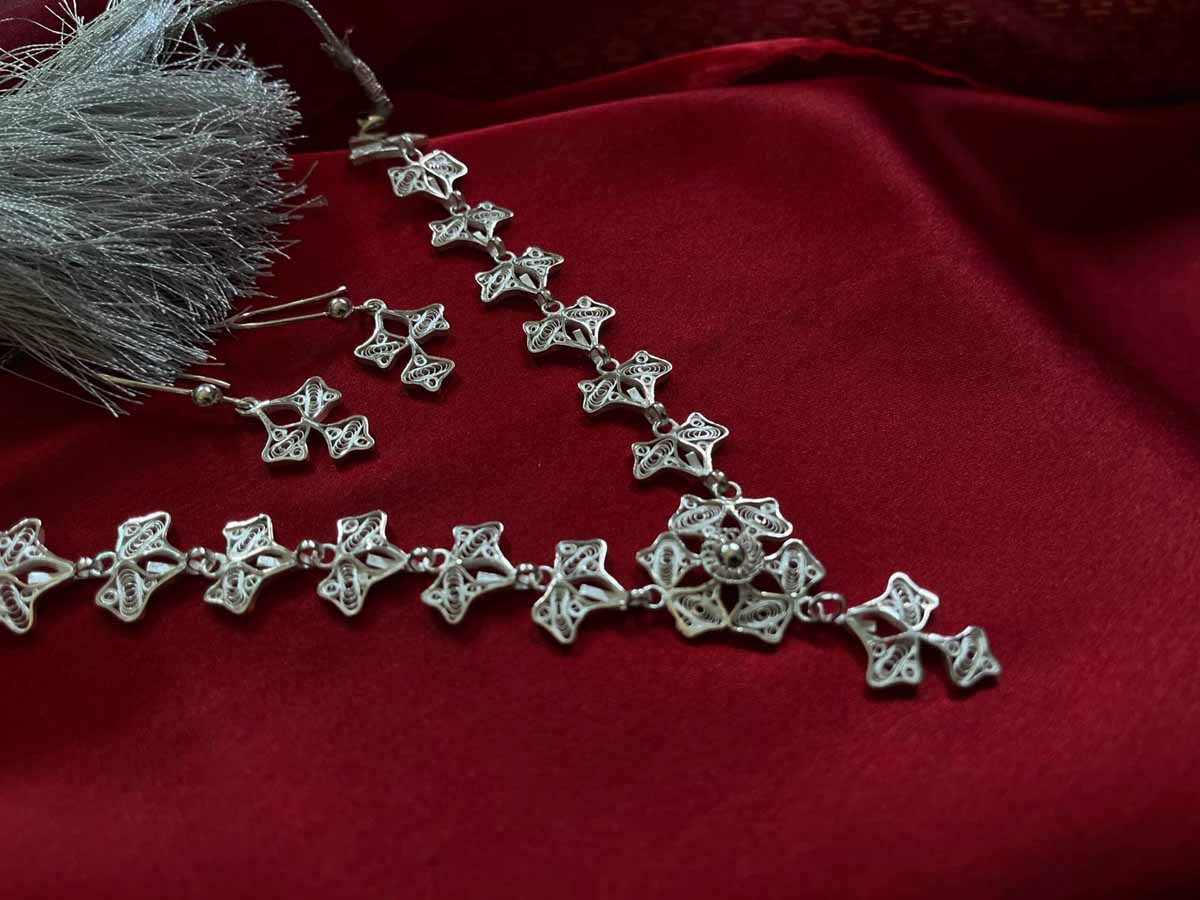
Collectors value its rarity and human touch. Mass-production cannot match the individuality of handcrafted wirework. Every antique piece carries a trace of its origin culture.
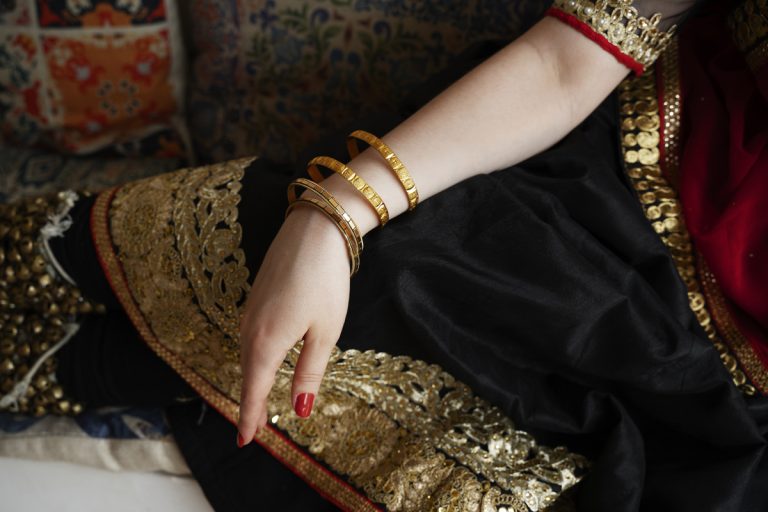
Portuguese, Indian, and Yemeni goldsmiths still use ancestral techniques. Italian gold and Indian silver versions remain prized across the world.
How Can You Recognize Genuine Filigree Jewelry?
1. Look Closely – True filigree displays visible wire joins, not pressed molds.
2. Feel the Weight – Authentic items stay light yet strong.
3. Use Magnification – Small solder points confirm handwork.
4. Check Hallmarks – Purity marks such as 925 or 18K guarantee real metal.
A genuine piece always carries a subtle irregularity that proves human creation.
How Can You Maintain Filigree Jewelry?
1. Keep items in soft pouches to avoid scratches or knots.
2. Protect them from water, perfume, and chemicals.
3. Wash gently with mild soap and a soft brush.
4. Handle carefully to prevent wire distortion.
Proper care ensures long life and lasting brilliance.
Why Does Filigree Still Matter?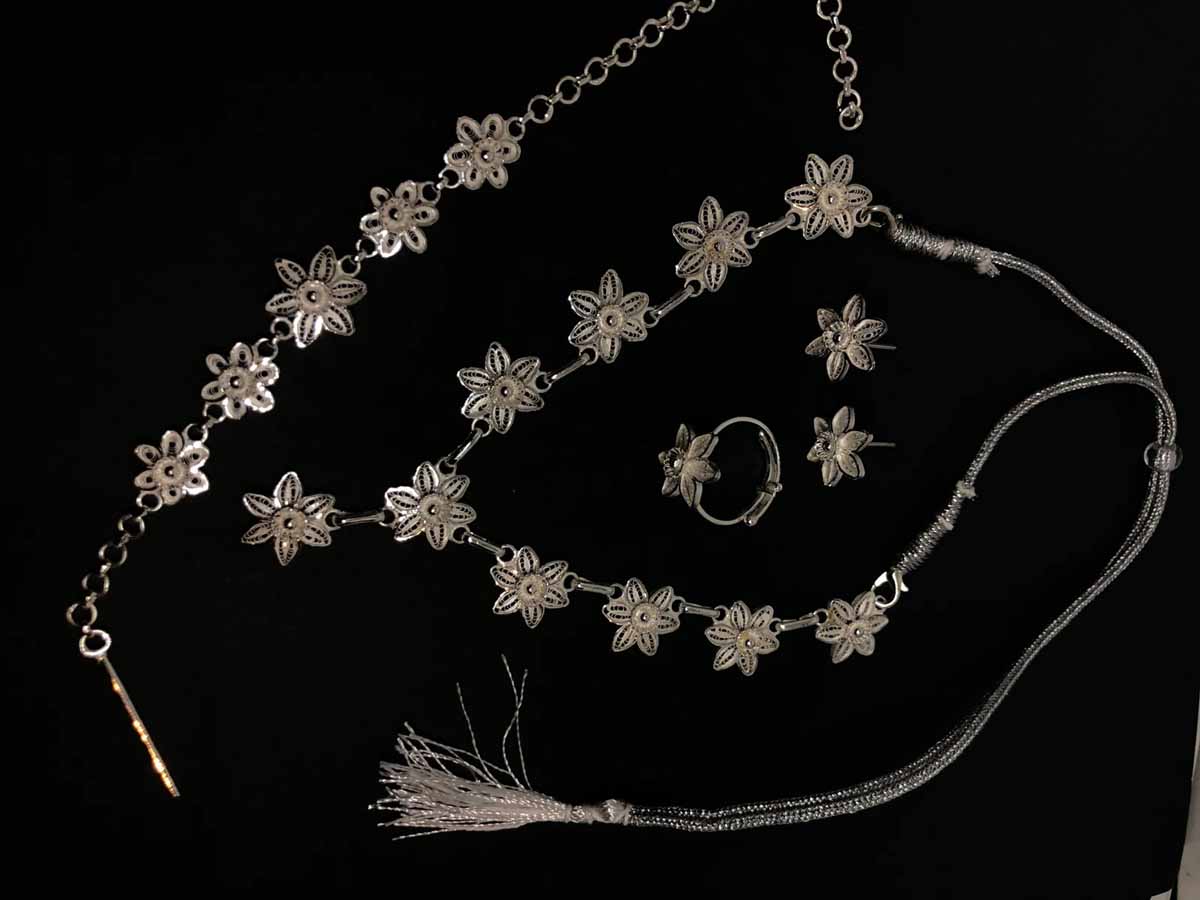
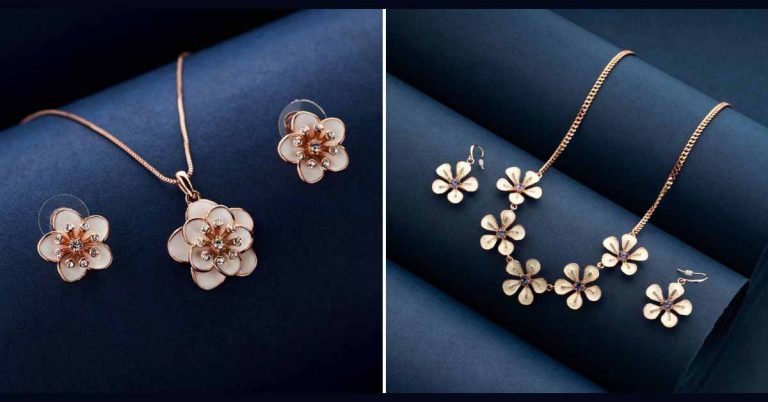
Filigree links tradition and modern design. Contemporary jewelers blend fine wire patterns with pearls, gemstones, and enamel.
The craft evolves with changing trends yet preserves its timeless foundation. Its charm fits both heirloom treasures and casual accessories. The tradition continues because elegance never fades.
Conclusion
Filigree jewelry celebrates art born from precision and devotion. Each curve shows hours of focus and a legacy of generations. Owning a filigree piece means holding a fragment of history shaped through pure craftsmanship.