How to Detect Fake Gold: Quick Methods to Check Authenticity
Gold holds worth both as adornment and as a store of wealth. Counterfeit pieces, though, are common in markets around the world.
A handful of simple checks can help you avoid wasting money. Basic tests done at home often provide clear signs without relying on special equipment.
Why Do People Sell Fake Gold?
The reason is profit. Sellers often use cheaper substitutes such as brass, copper, or gold-plated alloys. At first sight they may look convincing, but proper tests expose the difference. A little knowledge puts you ahead of such tricks.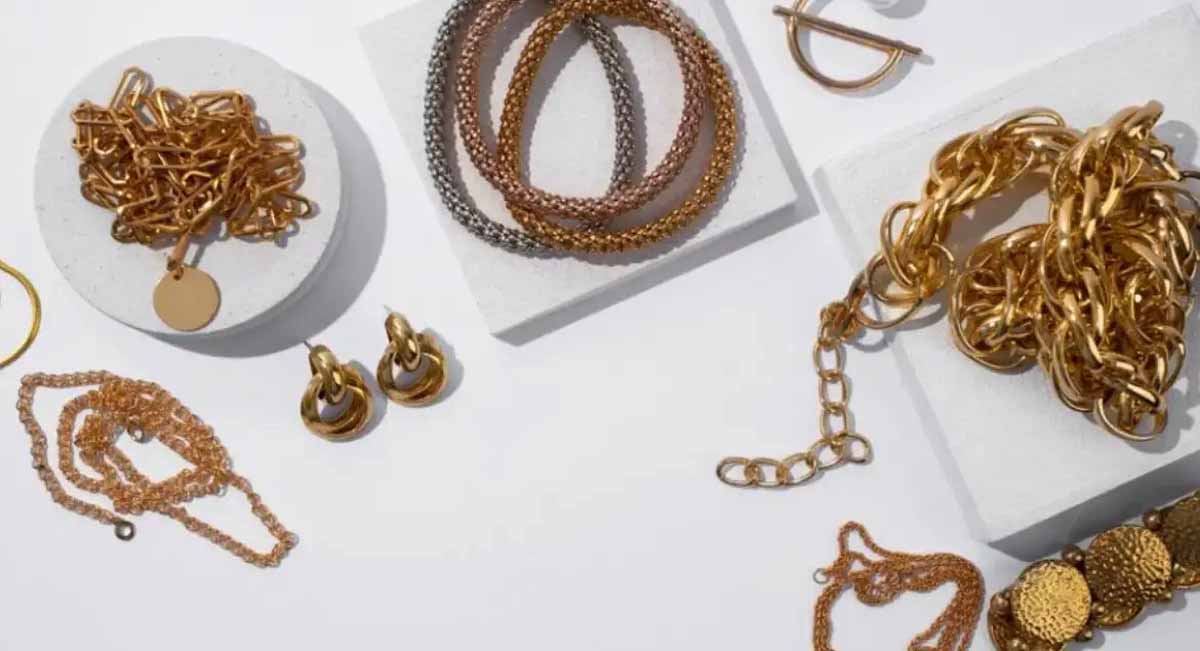
Easy Tests You Can Try
No single method gives perfect results. Combining a few checks offers a better picture before you visit a jeweler.
1. Use a Magnet
Pure gold does not react to magnets. If the item sticks, it likely contains metals such as nickel or iron. Remember, though, that metals like copper and brass also show no magnetic pull, so this check should be seen only as an initial step.
2. Look for Purity Marks
Most real items carry stamps showing purity. American jewelry often shows 10K, 14K, 18K, or 24K. European pieces may display 585 (14K) or 750 (18K). Missing marks usually raise doubts.
3. Try the Ceramic Test
Rub the piece on an unglazed ceramic plate. Real gold leaves a gold-colored streak. Fake metals leave dark or black marks. Apply light pressure to avoid scratches.
4. Drop It in Water
Gold feels heavy for its size. Place the item in water. Real gold sinks straight to the bottom, while lighter fakes may float or drift slowly.
5. Wear It for a While
Skin often reacts to cheap metals. Fake pieces may leave green or black stains. Pure gold does not discolor skin or lose shine.
6. Test with Nitric Acid
Place a drop of nitric acid on a hidden spot. Real gold shows no reaction. Fake materials change color or corrode. Since acid is dangerous, many prefer letting jewelers handle this test.
7. Compare Weight and Size
Gold has high density. Hold the piece against a known genuine item of similar size. Real gold feels noticeably heavier. If it feels light, chances are it is fake.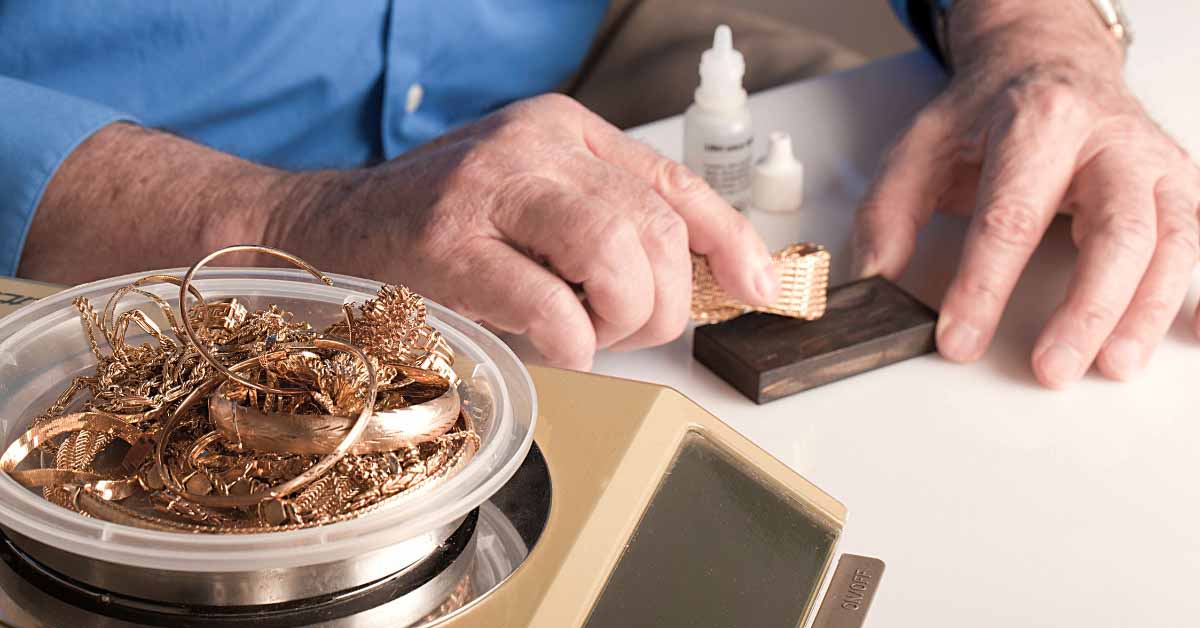
When Should You See a Jeweler?
Basic tests work well for quick checks. For expensive or large purchases, however, professional testing is worth the fee. Jewelers use electronic testers, X-ray machines, or fire assays to confirm purity with accuracy. A small cost today can prevent major losses later.
Final Word
Spotting fake gold is possible at home. Magnet checks, hallmark inspections, ceramic streaks, and water tests all provide useful clues. Still, professional verification remains the safest choice when the stakes are high. Careful checks keep your money safe and your confidence strong.