How to Identify Lab Grown Diamonds: Expert Guide
What Are Lab Grown Diamonds?
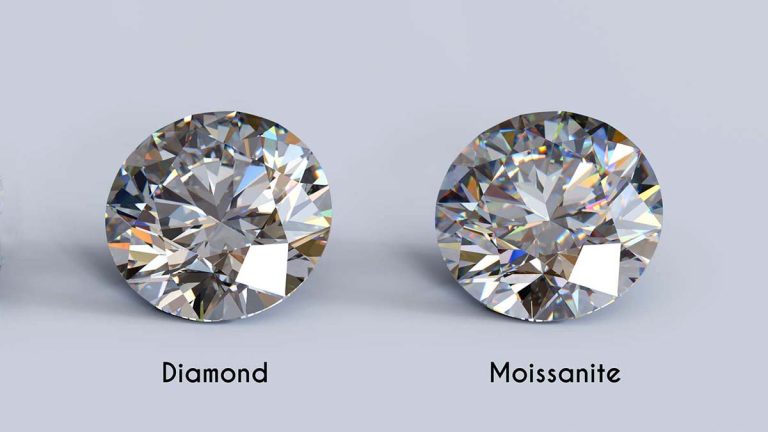
Lab grown diamonds are real diamonds created in a controlled environment. They share the same chemical, physical, and optical properties as natural diamonds. Both look identical to the naked eye, which makes identification important.
Why Should You Learn to Spot Them?
You should know how to identify lab grown diamonds for three main reasons:
-
Value assessment before purchase
-
Accurate certification and grading
-
Transparency in resale or insurance
Can You Tell the Difference Without Tools?
It is almost impossible to spot the difference with the naked eye. Both reflect light in the same way. Lab grown diamonds also have the same sparkle and brilliance as mined ones. A professional evaluation is often necessary.
Key Ways to Identify Lab Grown Diamonds
-
Laser Inscriptions
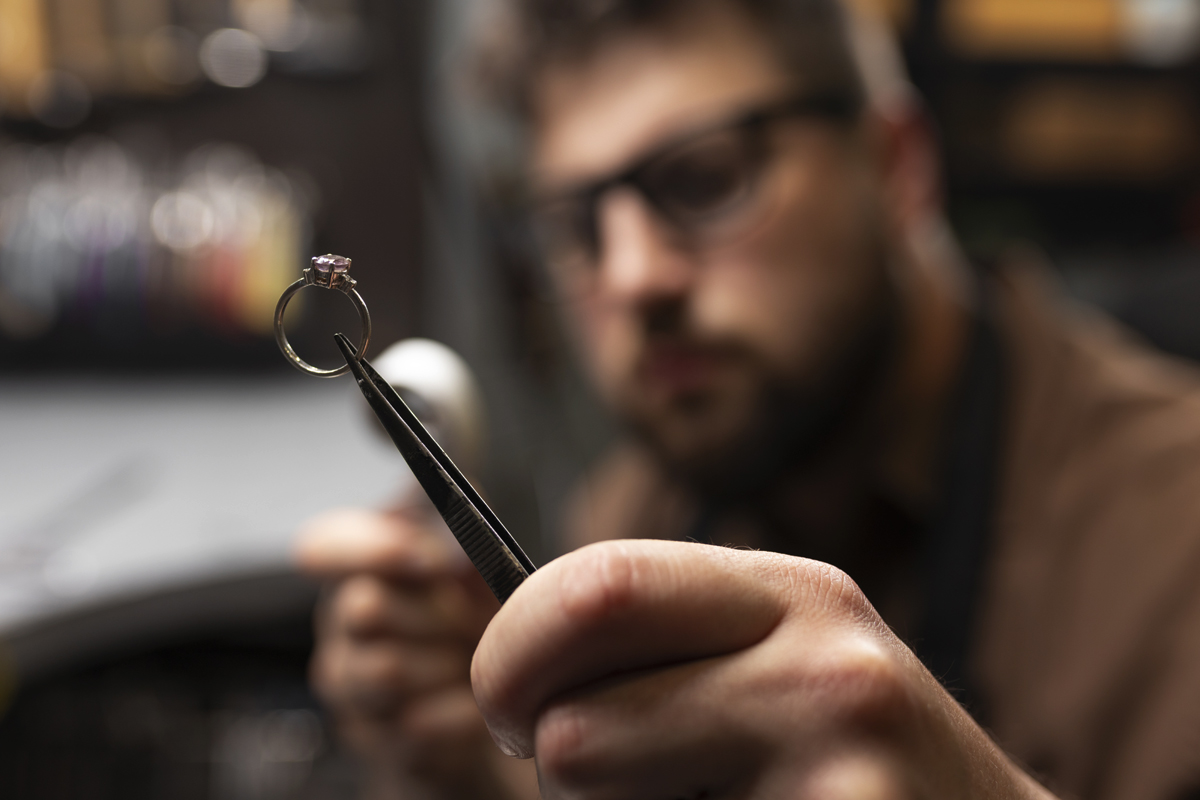
Many lab grown diamonds carry microscopic inscriptions on the girdle. Jewelers use lasers to etch a code or certification number. A jeweler’s loupe or microscope can reveal it. -
Fluorescence Test
Some lab grown diamonds show distinct fluorescence under UV light. Natural diamonds can glow as well, but patterns may differ. -
Metallic Inclusions
Diamonds created through HPHT (High Pressure High Temperature) often show metallic inclusions. Natural diamonds rarely have these features. -
Growth Patterns
Lab diamonds may show striations or color zoning under magnification. Natural diamonds form unique crystal structures with different growth patterns. -
Advanced Testing
Jewelers use tools such as diamond testers, spectroscopy, and advanced imaging. These devices detect variations in crystal growth and trace elements.
 Should You Rely on Certification?
Yes, certification matters. Trusted labs like GIA or IGI provide grading reports that clearly mention if a diamond is natural or lab grown. Always ask for certification before buying.
Final Thoughts
Lab grown diamonds continue to rise in popularity. They cost less and support ethical sourcing. Still, you should always confirm what you are buying. Use certification, professional inspection, and modern testing methods to identify them with confidence.