How to Make Wire Wrapped Jewelry: A Beginner’s Guide
Crafting wire-wrapped jewelry is easy. Some people may enjoy making jewelry at home as a hobby. It reflects creativity and personal expression.
You can design a delicate pendant for a loved one or create bold earrings to match your style. You don’t need a studio or expensive tools. Basic supplies and your imagination are all you need to get started.
This guide shares everything you need to get started. From choosing tools and wire to securing stones, every step is laid out clearly.
Both beginners and experienced makers can follow along with ease.
Tools and Materials You Will Need
Start with the proper setup. It helps you work with control and get a polished result.
Essential Tools
- Wire cutters help trim wires cleanly without damage.
- Round-nose pliers shape curves and loops.
- Flat-nose pliers hold, bend, and press wire flat.
- A ruler or tape measure ensures accurate lengths.
- Optional tools include nylon-jaw pliers, a small hammer, and a mini anvil.
Wire Selection
- Copper, sterling silver, and gold-filled wires work well for most designs. Copper is best for practice.
- Choose wire in 18- to 22-gauge. It stays flexible but strong.
- Round wire is standard. Square and half-round wires add texture and detail.
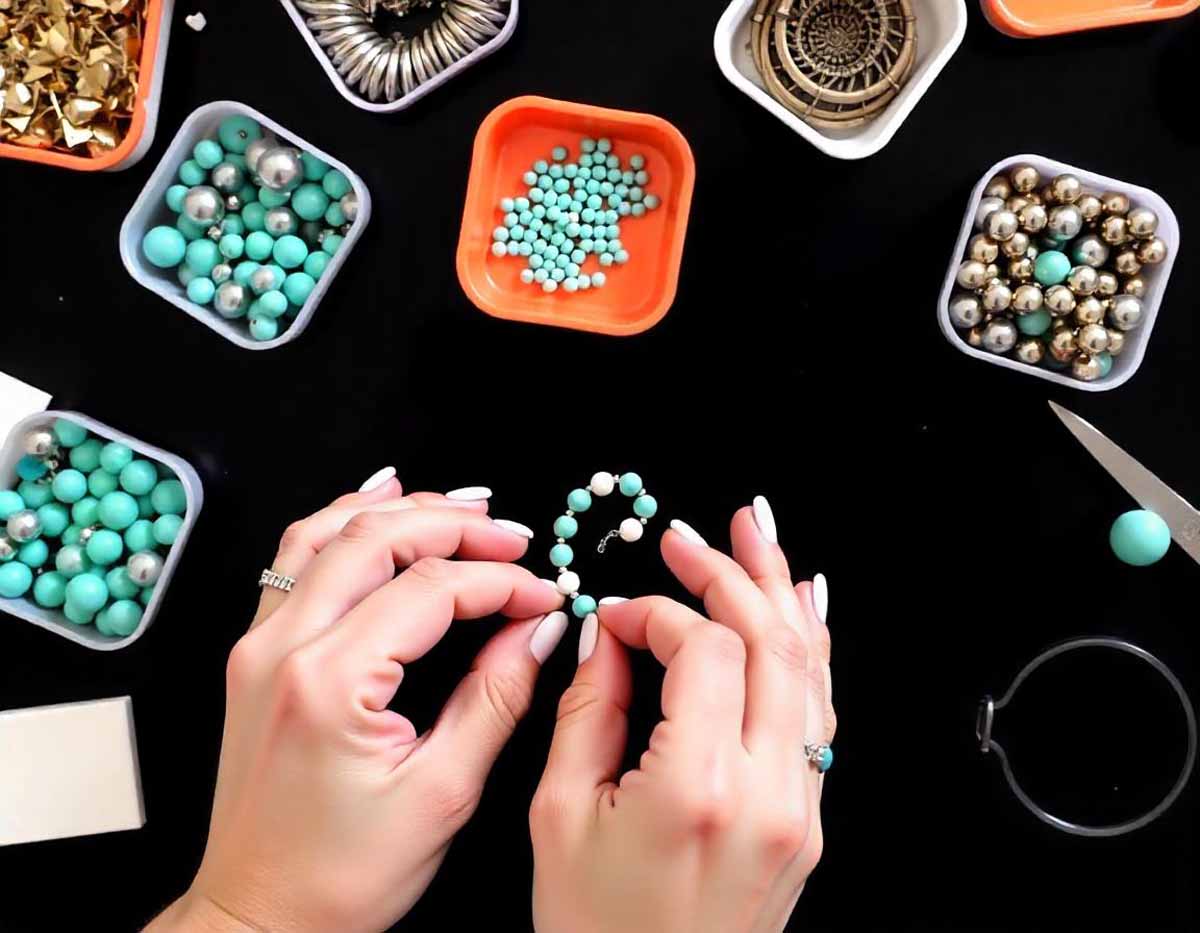
Gemstones and Beads
- Cabochons have flat backs and are suitable for wrapping.
- Choose beads from glass, gems, or pearls.
- Match the bead size to the scale of your design. Large stones suit pendants. Small ones add detail.
- Drilled stones are easier to fix in place. Undrilled ones need advanced techniques.
How to Make a Wire-Wrapped Pendant
Follow this process to complete a basic but beautiful pendant.
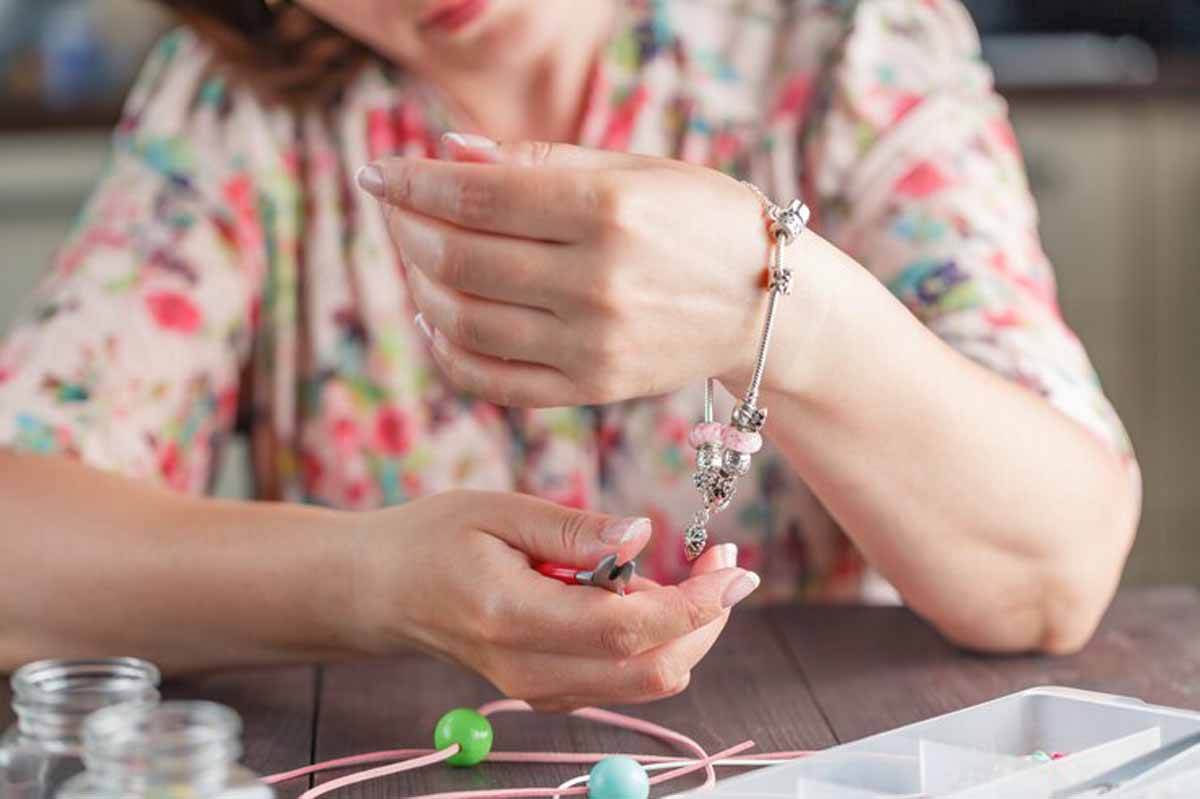
Step 1: Collect Materials
- Four round wires, each 15 cm long
- A 60 cm piece of half-round wire
- One gemstone or cabochon
- You should have wire cutters, flat-nose pliers, and round-nose pliers
 Step 2: Build the Frame
- Line up the four wires so they sit flat and even.
- Wrap the half-round wire around the middle to bind them together.
- This creates the central frame to hold the stone in place.
Step 3: Form the Pendant Shape
- Gently bend the wires to match the stone’s shape.
- Oval, teardrop, or circular shapes work well.
- Add loops at the wire ends using round-nose pliers.
Step 4: Secure the Stone
- Position the stone inside your shaped frame.
- Wrap the loose wires around the stone to hold it firmly in place.
- Use flat-nose pliers to tighten the wire until the stone stays in place.
Step 5: Make a Bail
- Twist a loop at the top of your pendant.
- This loop lets you hang the pendant from a chain.
- Wrap the tail end of the wire under the loop for a tidy finish.
Other Projects to Try
Try more designs once you have a solid understanding of the basics.
Wire-Wrapped Earrings
- Wrap small stones or beads.
- Attach them to earring hooks.
- Create matching pairs or mix styles for a bold look.
Wire-Wrapped Rings
- Form a band from round wire.
- Fix a small stone in the center.
- Keep the design simple or add small spirals.
Wire-Wrapped Bracelets
- Combine several wrapped beads or stones.
- Link them using jump rings.
- Wrap a decorative spiral along the bracelet for flair.
 Helpful Tips for Success
- Begin with simple shapes and soft wire.
- Use good-quality tools for better control.
- Don’t rush. Focus on the details.
- Test different wire types and designs to grow your skill.
Common Questions Answered
Can I use any wire type?
Start with soft or half-hard wire in 18-22 gauge. It’s easier to shape and cut.
Do I need expensive tools?
No. Affordable kits are available for beginners. You can upgrade tools as your skill grows.
Is wire wrapping good for beginners?
Yes. It requires a few tools and teaches design basics.
Conclusion
Wire wrapping enables you to create one-of-a-kind jewelry. You can express yourself with every loop and curve.
Basic tools and materials provide everything needed to get started. As your skills improve, your designs become more complex and personal.
Get your tools ready and start your first pendant today. Every piece tells a story—make yours count.