How to Pick Jewelry for Sensitive Ears: Safe Metals and Care Guide
Many people notice that their ears react to certain earrings. Low-grade metals and cheap alloys often trigger skin issues. A wrong pair of earrings can cause soreness, redness, or irritation. Careful selection lets you enjoy jewelry comfortably and safely.
Understanding sensitivity
Allergic signs often appear at the piercing site. The skin can become red, itchy, or form tiny bumps. A burning feeling may also arise within hours of using earrings. Nickel causes most reactions, though brass and mixed alloys may lead to the same problems.”
Safe Metal Choices
Comfort starts with material. Safer picks include:
- Surgical stainless steel (grade 316L or 316LVM)
- Implant-grade titanium
- Niobium
- 14k or 18k gold with low nickel content
- Platinum
Higher purity often costs more, yet it reduces the chance of a reaction.
Testing Before Wearing
Before using new earrings, place the post against your inner wrist for an hour. Monitor the spot over the next 24 hours. If no redness or itch appears, you can wear them more confidently. For stronger assurance, a dermatologist can perform a patch test.
Style And Design Considerations
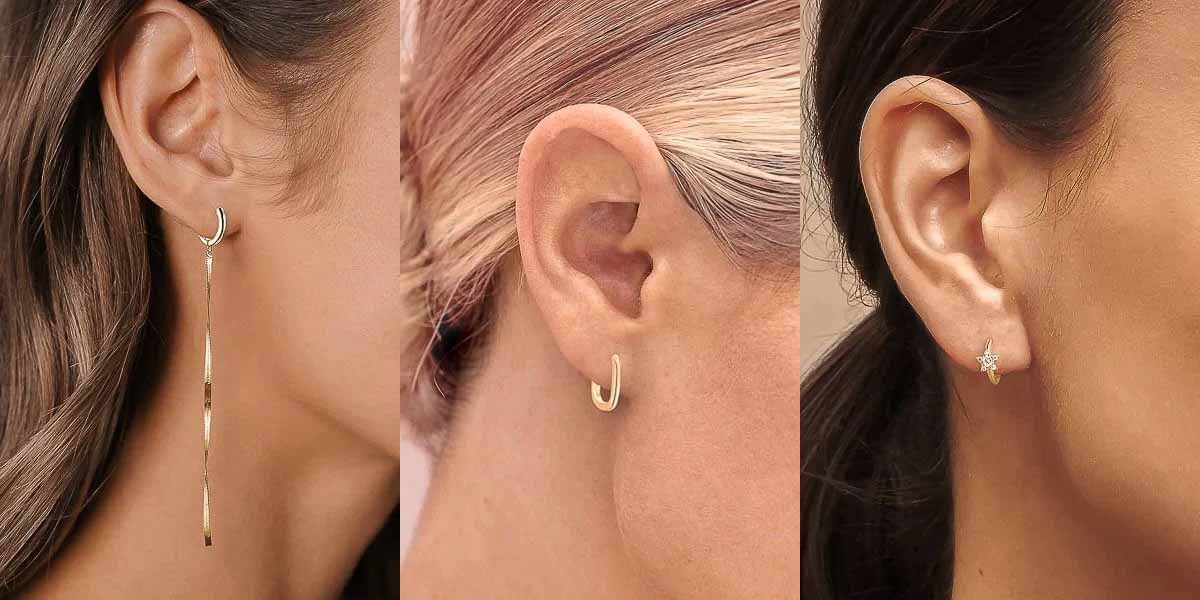
The design of the earring matters as much as the metal. Lightweight studs or small hoops cause less stress on the ear. Smooth posts and screw backs are gentler than heavy dangling styles that pull at the piercing.
Care And Maintenance
Good aftercare extends comfort:
- Wash earrings with mild soap and warm water
- Dry them fully before wearing
- Store them separately to prevent scratches and plating wear
Swap out plated earrings once the surface starts to wear off. When the coating fades, the base metal touches your skin and often triggers irritation.
What To Avoid
Skip earrings that give vague details like “metal alloy.” Low-cost costume jewelry, tarnished pieces, or rough finishes can easily upset sensitive ears. Mixed metals with no clear description usually end up causing flare-ups.
Extra Options
For those with severe reactions, non-metal alternatives exist. Biocompatible surgical plastic or acrylic earrings are often safe. Some brands also offer fabric-based or wooden styles where the post is made from hypoallergenic material.
Practical Shopping Tips
When buying jewelry for sensitive ears, keep a short checklist in mind:
- Ask the seller about the exact metal grade
- Check if the item is nickel-free
- Prefer solid metals over thin plating
- Buy from stores with clear return policies
Confidence grows when you know exactly what touches your skin.
Final Word
Sensitive ears do not mean giving up on stylish jewelry. By choosing pure metals, lightweight designs, and keeping pieces clean, you can enjoy earrings every day without irritation. A small investment in quality pays off with comfort and peace of mind.