Jewelry Rules for Food Handlers: What You Can Wear Safely
Food safety depends on small details. You often hear about the importance of handwashing, glove use, and proper food storage. But another overlooked factor deserves attention: jewelry. Those tiny pieces you wear to show style or mark life events can cause hidden problems. So, what jewelry can food handlers wear? You will find the answer below.
The Risks of Wearing Jewelry While Handling Food
Jewelry may appear harmless, but in the kitchen, it becomes a hazard. Food handlers should avoid it for clear reasons.
Bacterial Contamination
Jewelry traps dirt and moisture. Bacteria grow easily in those areas. Rings, watches, and bracelets block proper handwashing. Dangerous microbes such as Salmonella or E. coli can remain trapped beneath them. You may transfer them to food without realizing it.
Physical Hazards
Picture a stone falling from a ring into dough. Or an earring slipping into a salad. Jewelry parts can become contaminants. Sharp pieces or detailed designs may even tear gloves. That creates a higher risk of spreading germs.
Hidden Dangers of Body Piercings
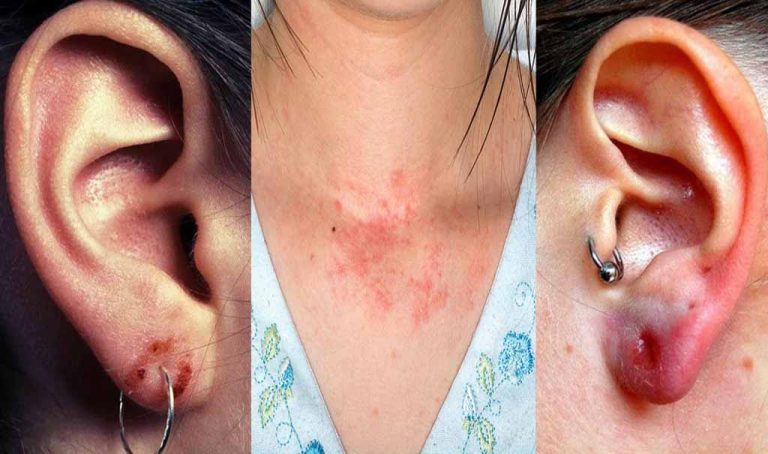
Piercings on ears, noses, or faces carry their risks. They may drop into food during preparation. Cleaning those areas entirely is not practical in work environments. They become another weak link in the food safety chain.
What Jewelry Is Permitted for Food Handlers?
Clear rules exist in most workplaces. You will find the approved list very short.
The Plain Wedding Band Exception
Only a plain wedding band usually meets hygiene standards. It has a smooth surface with fewer places for bacteria to hide. It does not fall off easily or damage gloves. That makes it a safe and acceptable choice.
 Prohibited Jewelry
The following items usually fall under the restricted category:
- Rings with stones or complex patterns
- Watches and bracelets
- Necklaces, chains, and brooches
- Earrings or facial piercings
If the item adds decoration or complexity, store it away before starting work.
Why Are These Rules in Place?
To the average person, those rules may seem strict. But strong reasons back them up.
Food Safety Regulations
Authorities, such as the UK Food Standards Agency, set clear rules. Jewelry may introduce foreign objects or bacteria into food. By allowing only plain bands, regulators aim to reduce all risks.
Maintaining Hygiene Standards
Even the most careful workers struggle to clean around rings or bracelets effectively. Gloves often tear near sharp jewelry. That weakens overall hygiene. When employers set clear rules, they help staff stay safe and focused.
Practical Tips for Food Handlers
You can follow jewelry rules without stress. A few simple habits will help you stay compliant.
Preparing for Work
Remove every accessory before starting your shift. Only keep a plain wedding band. Leave bracelets, rings, earrings, and watches at home or in a locker.
Store Jewelry Safely
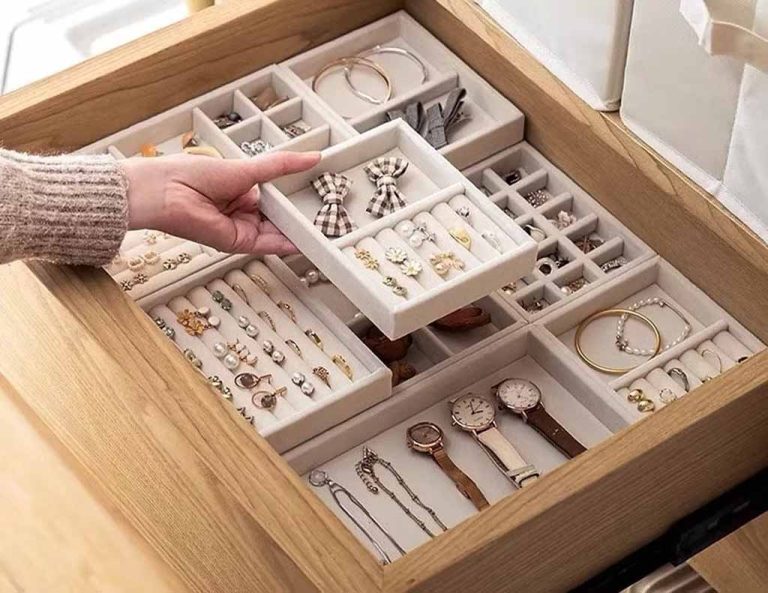
Use a secure space, such as a locker or a sealed box. That ensures nothing gets lost, and you can wear your items again after work.
Address Piercings Thoughtfully
Discuss with your employer if you are unable to remove your piercings. Some may allow a covering, such as a skin-safe bandage, to reduce the risk.
Familiarise Yourself with Workplace Policies
Each employer has slightly different rules. Learn them and follow them closely. That shows commitment to hygiene and professionalism.
 FAQs
FAQs
Can I Wear a Medical Alert Bracelet?
Some workplaces allow it if worn under a cover or secured well. Always ask your manager before wearing one.
What About Religious Jewelry?
Religious pieces often require special handling. Some employers allow them under clothing. Get approval and wear them in a way that avoids food contact.
Can I Wear Gloves Over My Jewelry?
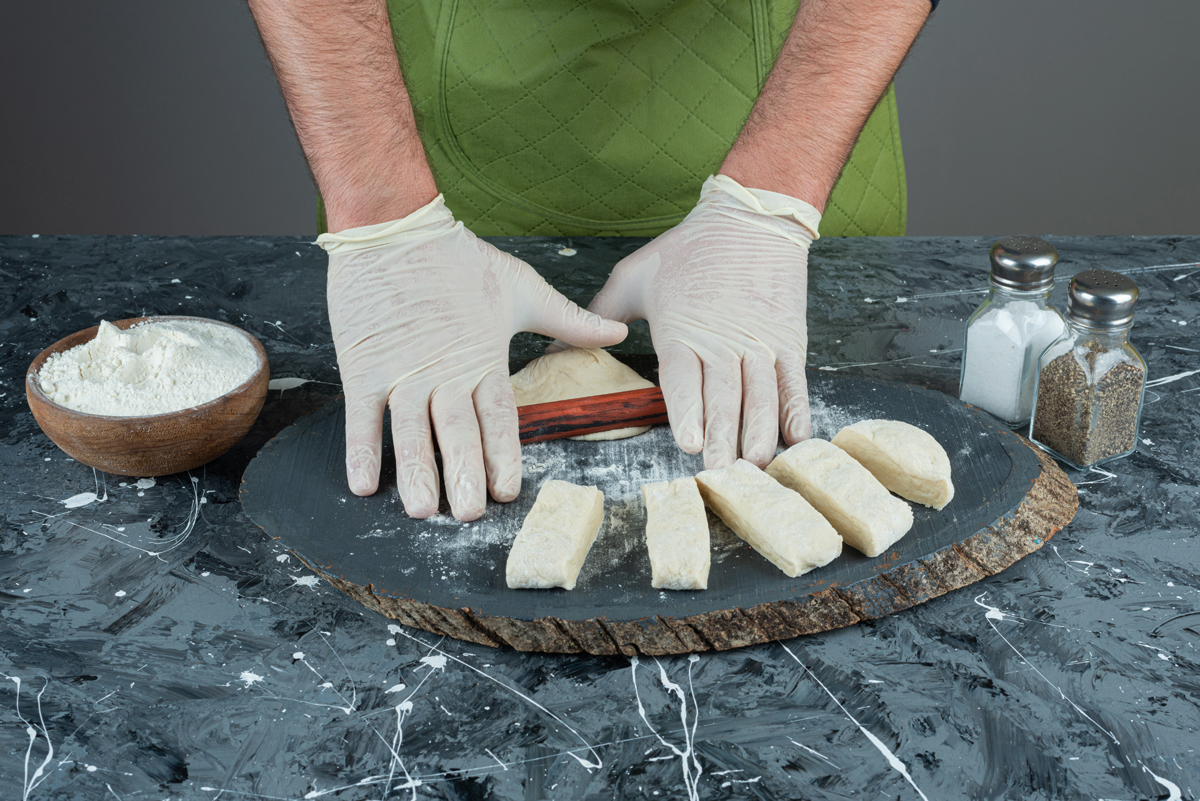
No. Gloves may tear if worn over rings or bracelets. That defeats their purpose. Remove jewellery instead of covering it.
Conclusion
Jewelry may look good, but in food preparation areas, it poses a real danger. Bacteria can hide on it. Loose pieces may fall into meals. Follow the rules and wear only a plain band if necessary. That protects customers and maintains high hygiene standards.
You should always check your workplace’s policies. Follow them exactly. That builds trust and shows care. Safe kitchens begin with simple habits, and your clean hands matter most.