Jewelry Traditions in Different Cultures and What They Reveal
People have always used jewelry to show who they are. Across families and cultures, it holds stories, not just shine. Some wear it to honor old traditions. Others keep it close for comfort or faith. In one place, a necklace may show status. Somewhere else, it may carry a prayer.
Each region creates its own meaning through shape, metal, or color. What you see often reflects the values of the people behind it. Let’s walk through how different places attach value to what they wear.
India: More Than Decoration
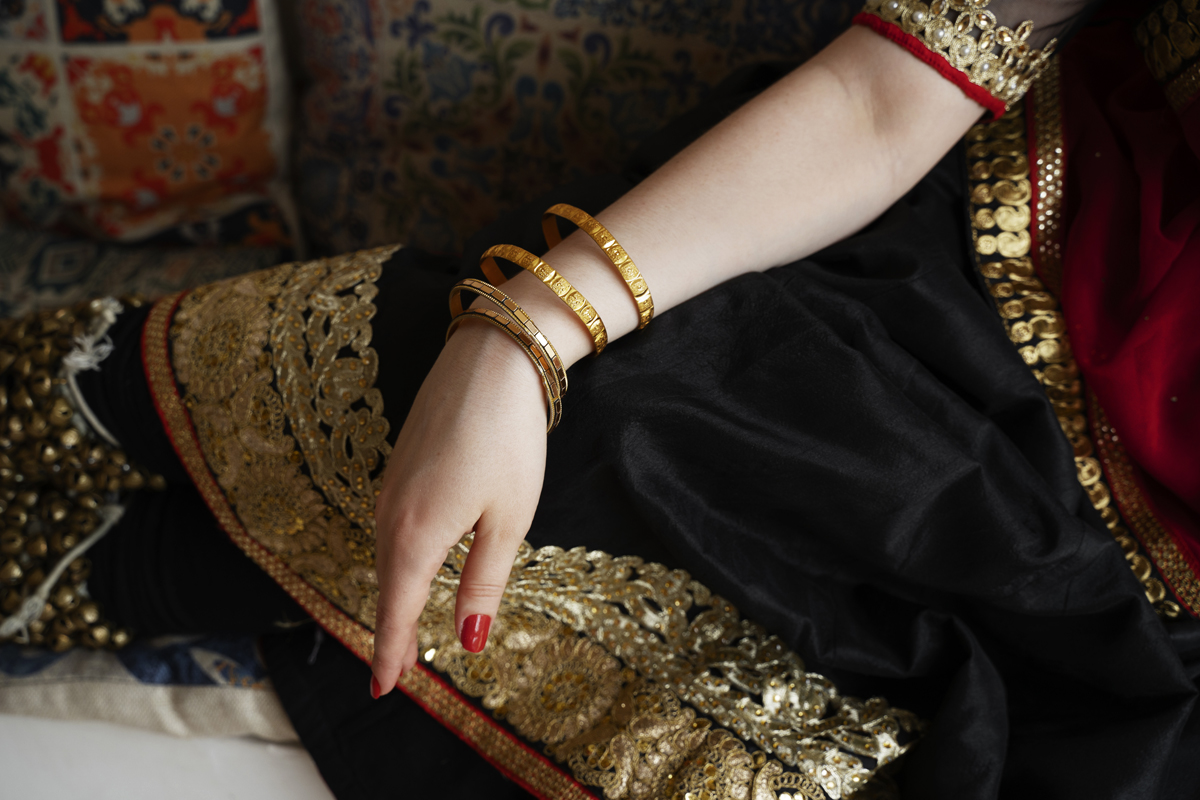
Indian families place emotional and practical value in jewelry. It appears at every life stage. Girls may wear gold early in childhood. Brides wear multiple ornaments that cover every part of the body. A black and gold necklace called mangalsutra sits at the neck to show that a woman is married. That piece confirms her married status.
Mothers do not see jewelry as fashion. It acts as security. Gold often stays locked away until needed. Families pass pieces from one generation to the next. Each one tells a personal story. No single item is random.
Africa: Identity in Color and Form
Jewelry across Africa often shows who a person is. Tribes craft pieces using beads, metals, or shells to mark age, identity, or social rank.
Colors carry meaning. Among the Maasai, red stands for courage. Blue suggests peace. Placement and pattern matter as much as material.
Gold often shows rank. Kings in Ghana or Nigeria often wear thick ornaments during ceremonies. Cowrie shells line belts or hang from necklaces in many communities. Long ago, they were used as money. Even now, they carry weight in many African communities.
Middle East: Symbols of Blessing and Protection
Middle Eastern households often link jewelry to safety and tradition. Families give gold to daughters as part of wedding preparations. That gold stays in the woman’s name. It becomes her own reserve, separate from anyone else’s.
Evil eye charms are common. People wear them to block bad luck. A hand-shaped symbol, called the “khamsa’, also protects. You will find such charms near doors or hanging from bracelets. Each one ties back to belief.
China: Harmony Through Stone
Chinese jewelry often centers around meaning rather than shine. Jade holds a strong place. It stands for peace and balance. Many mothers give a jade bangle to their daughters. That bangle stays close to the skin for years. Some believe it breaks to protect the wearer.
Gold also appears during weddings or the New Year. Designs often include dragons, coins, or peaches. Red string bracelets serve to attract good luck. Every item has a role to play.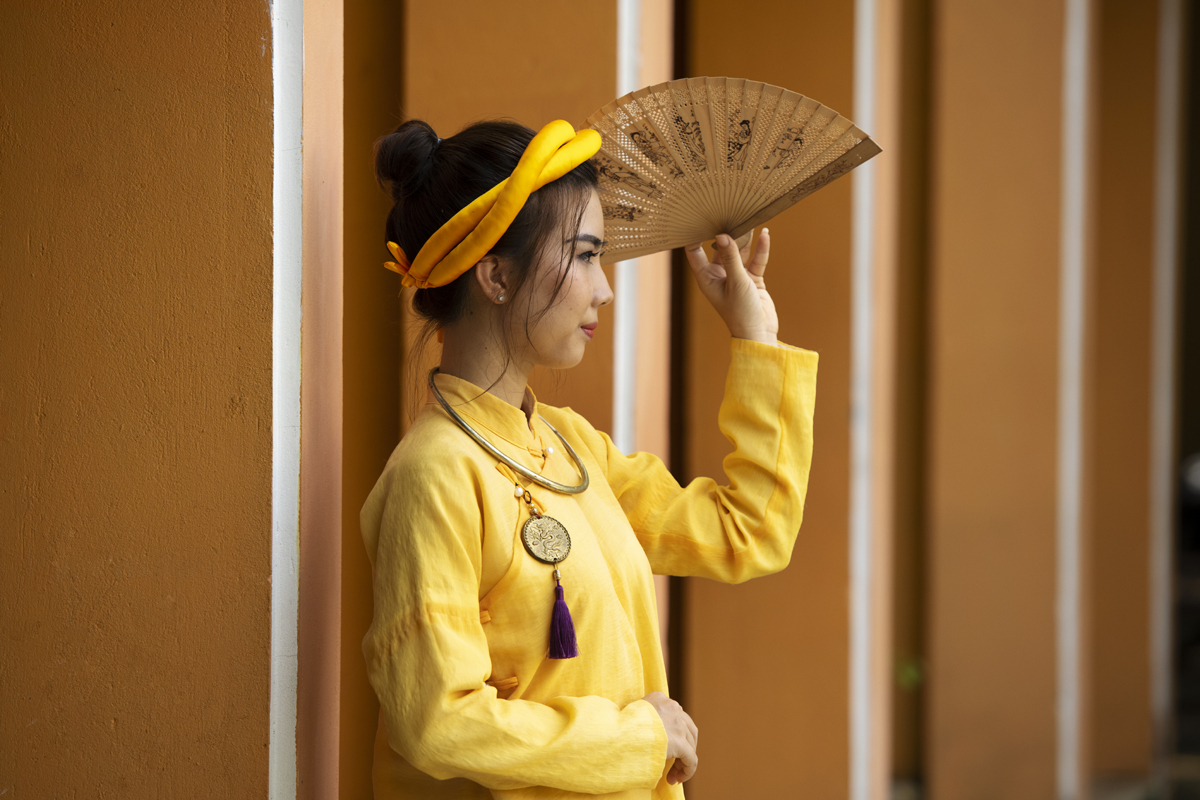
Native Tribes of North America: Spirit in Every Piece
Native American tribes create jewelry with deep care. Many connect it to land and ancestry. Turquoise features often. People believe it brings healing and strength. Artisans carve sun symbols, arrows, and feathers into silver.
Wampum beads made from shells once served as records. They carried agreements or marked events. Elders pass down pieces along with their stories. Each item holds weight far beyond its shape.
Europe: From Royal Crowns to Simple Rings
European jewelry once marked power. Royal families wore crowns and jeweled robes to display their place. That tradition shifted over time. Cross necklaces and medallions became common in religious homes.
Ireland holds the Claddagh ring as a symbol of love. Its heart, hands, and crown show loyalty. Italian families pass down stone-carved brooches. Each one reflects memory. Jewelry still travels through time inside families.
Southeast Asia: Care in Every Detail
Southeast Asia values precision in craft. Silver jewelry in places like Indonesia and Vietnam often carries natural shapes. Flowers and vines appear in delicate designs.
Gold plays a major role in marriage. Brides in Cambodia wear full sets. In the Philippines, protective charms known as “agimat” remain part of tradition. Families use jewelry to link the material and spiritual together.
Latin America: Bright Forms, Bold Meaning
Latin American jewelry blends history and faith. Mexican silversmiths shape bold pendants, often tied to saints or native roots. In Peru and Bolivia, gold carries symbols from ancient cultures. Suns and mountain gods still appear in modern rings.
A young girl receives a special gift at her “quinceañera”. That gift marks a step into adulthood. Often, it stays with her through the years. Sometimes it reaches her daughter decades later.
Jewelry as a Cultural Memory
Jewelry holds more than design. It marks beginnings. It recalls people. Some pieces stay hidden until a special day. Others sit close to the skin every day.
Each item connects someone to a moment or a person. Across cultures, that bond never fades. Even when words fall short, jewelry speaks.