What Does 750 Mean on Gold Jewelry? Explained
Pick up a gold ring or necklace. Turn it over. You might spot a tiny number stamped inside—750. That number means something. It tells you how much real gold your jewelry holds. Small, yes—but it speaks volumes about what you’re wearing.
What Does “750” Mean on Jewelry?
The “750” stamp indicates that your piece contains 750 parts per thousand (75%) real gold. The rest? A mix of other metals like silver, copper, or nickel. Gold in its pure form is soft. Too soft. Jewelers mix different metals to toughen them and shape them into pieces that can be worn every day.
Breaking Down Gold Purity
The number refers to parts per thousand. It’s simple. Out of 1,000 parts, 750 are gold.
-
750 = 18-karat gold
-
585 = 14-karat gold
-
999 = 24-karat gold (almost pure)
Each has its place. Some choose strength. Others want maximum purity. Many settle on 750 for a reason.
Why Not Just Say “18K”?
You may think, why not just stamp “18K”? The answer’s practical.
-
Space – “750” is shorter. Fits tiny places like ring bands and clasps.
-
Global Use – Many countries rely on numbers. You’ll see “750” in Europe, Asia, and beyond.
Buyers understand it instantly. So do sellers. It’s the common language of gold.
Why People Prefer 750 Gold
Three reasons come up again and again—balance, color, and flexibility.
1. Strength Without Losing Shine
Pure gold bends too easily. Add the right amount of other metals, and it holds its shape. You still get a rich gold color without worrying about dents.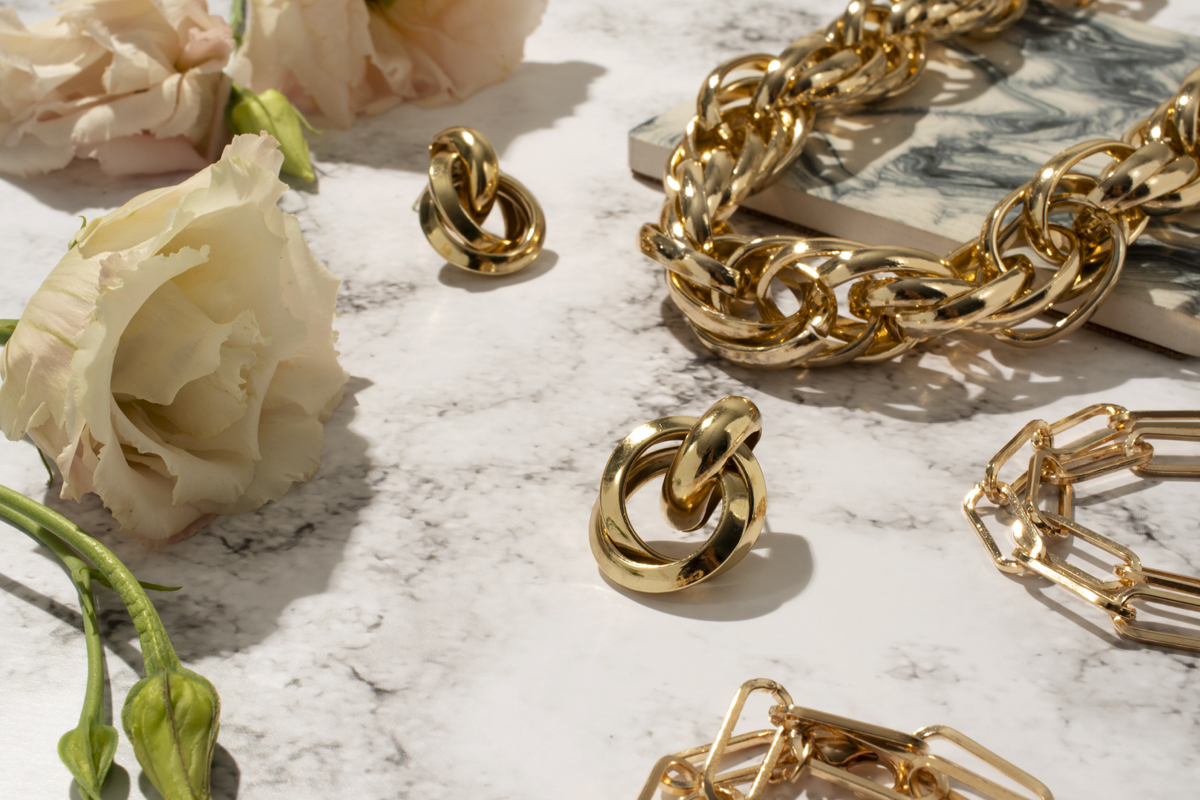
2. Color That Stays True
There’s a reason people admire 18-karat gold. It looks warmer. It feels richer. That deep glow doesn’t fade fast.
3. One Look for All Occasions
You don’t need to switch it out. Whether it’s work, dinner, or a wedding, 750 gold fits. Simple or bold, it works with any style.
How to Spot a 750 Stamp
The mark is small but always there if the piece is genuine. Look inside the rings. Check chain clasps. Scan the backs of the banners.
Still unsure? Ask a jeweler. They know where to look—and how to test it.
How 750 Compares to Other Grades
Let’s keep it honest. Different grades suit different needs. Here’s what to expect:
750 vs. 585
585 has more added metals. It’s tougher but has less gold. The price drops, but so does the color depth. It works, but it doesn’t glow the same way.
750 vs. 999
999 is as close to pure as it gets. But it’s soft. It scratches. It bends. That’s why 750 gold stays more common. It lasts longer and holds up better.
What’s in the Other 25%?
That mix of metals makes a big difference.
-
Silver adds brightness
-
Copper deepens the tone
-
Nickel or palladium creates white gold
-
Zinc helps keep the surface clean
Jewelers adjust the mix to create different colors. The base gold stays the same.
Common Questions, Clear Answers
Is 750 real gold?
Yes. It’s 75% pure gold. That’s high quality by any standard.
Will it tarnish?
Gold doesn’t tarnish. But the other metals might. Clean it occasionally, and it’ll stay bright.
How should I clean it?
Use warm water, a soft cloth, and mild soap. That’s it. Avoid rough tools or strong cleaners.
Is it expensive?
More gold means a higher price. Still, it’s not as costly as 24 K. You’re paying for quality that lasts.
Final Thoughts
The “750” mark isn’t just a number. It tells you that your piece was made with care. It strikes a strong balance—rich gold content with enough strength to hold up.
Knowing what “750” means lets you shop smarter. Whether you’re buying something new or looking at a family heirloom, you now understand its value.
Call to Action
Got questions about gold markings? Ask your jeweler. If you’re shopping for new pieces, check for the “750” mark. That number speaks for itself.