What Jewelry Turns Skin Green: Causes & Prevention
You put on a ring or bracelet and admire its appearance. A while later, you spot a green mark beneath the jewelry.
The mark surprises you and makes you question its cause. You may even wonder if something is wrong with the piece.
That green stain appears more often than expected. It has nothing to do with poor quality or danger. You can trace it to basic metal reactions.
Understanding the cause helps you avoid it next time. You should understand what causes this reaction, which metals are responsible, and how to prevent it.
What Causes Jewelry to Turn Skin Green?
Green stains appear due to metal reactions. Here are the main reasons behind it:
Copper: The Main Cause
Copper leads this reaction. Some jewelry uses pure copper, and others include it in a metal mix. When copper touches skin, it reacts with moisture. Sweat, lotion, or body oils trigger this process. The reaction forms copper salts, which leave behind the green colour.
The Statue of Liberty changed color for the same reason. Her copper surface reacted with the air and rain. Over time, it turned green. Your skin shows that effect in just a few hours.
Other Factors That Speed It Up
Several things make the reaction faster or stronger:
- Skin Acidity—Skin with a lower pH creates quicker reactions
- Moisture—Wet skin increases contact and speeds up changes
- Body Products—Lotions, creams, or perfume often react with metal
Which Jewelry Materials Cause It?
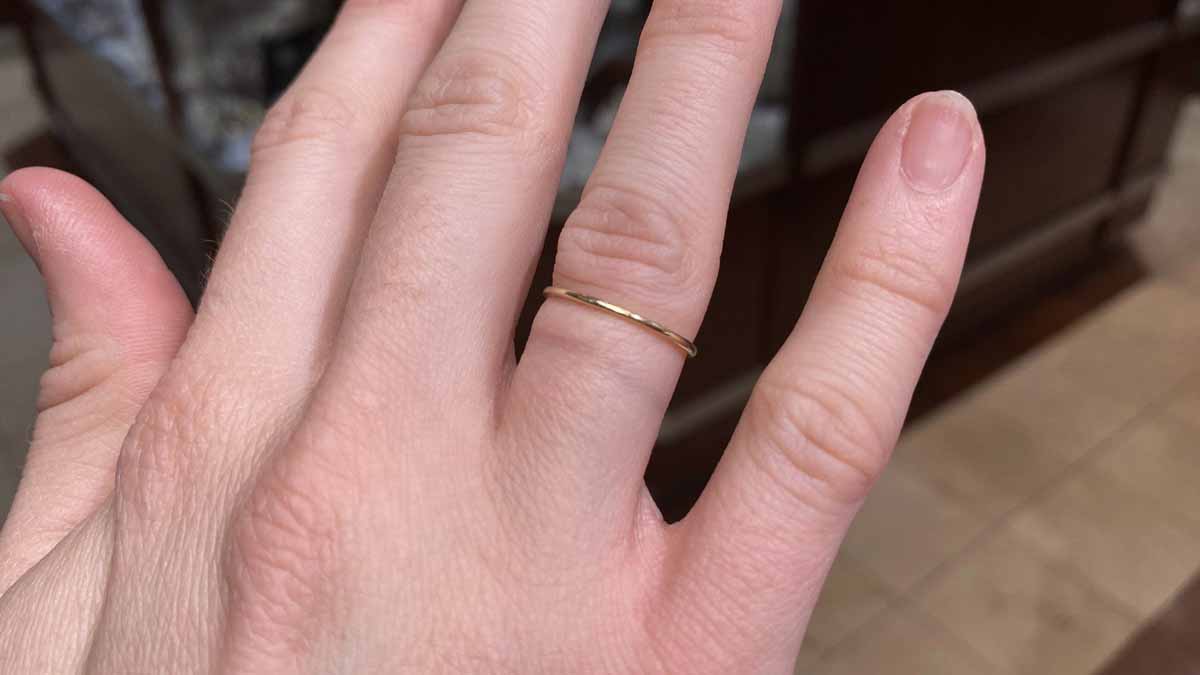 Metals That Leave Green Marks
Some metals react more than others. These materials often lead to green discoloration:
- Copper—Used in brass and bronze or worn alone, copper reacts fast
- Sterling Silver—Though mostly silver, it includes some copper
- Lower Karat Gold—Pieces like 10k or 14k contain enough copper to trigger stains
- Fashion Jewelry—Cheaper items often use metal blends that include copper and nickel
Metals That Keep Skin Clear
Choose these to avoid discoloration:
- 24k Gold—Pure gold does not react and causes no marks
- Platinum—Resists tarnish and suits all skin types
- Stainless Steel—Handles wear without changing colour
- Titanium—stays stable and suits sensitive skin
Does Green Skin Mean Trouble?
Green skin looks odd, but it does not mean danger. That color appears from surface-level metal reactions. The mark fades on its own after a short time.
If your skin itches, swells, or turns red, it may indicate a metal allergy. Nickel is often irritating. When this happens, avoid the item and try pieces made from safe metals like titanium or platinum.
How to Avoid Green Skin
Try these methods to prevent the stain:
- Select Better Metals—Use pieces made from platinum, titanium, or 24k gold
- Add a Barrier—Apply clear nail polish on the part of the jewellery that touches skin
- Keep It Dry—Take jewellery off before washing hands or swimming
- Use Products First—Put on lotion or perfume before wearing accessories
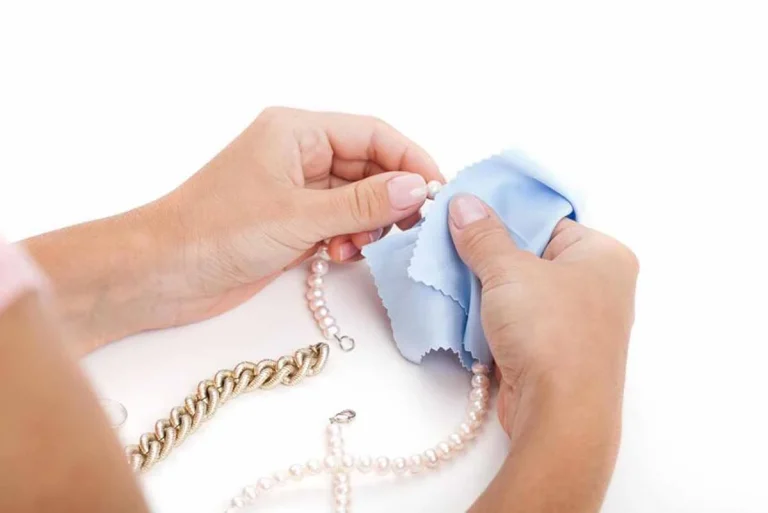
- Clean Your Pieces—Wipe jewellery with a cloth to remove sweat or oils
 Conclusion
Green marks from jewelry don’t come from poor quality. Copper causes them, and moisture speeds up the reaction. Though harmless, the stain can bother some people. You can stop it with the right materials or by adding a protective layer.
Now you know what triggers the effect, which helps you make more intelligent choices. Pick the right metals, follow a few care tips, and enjoy wearing your favorite items without worry.
Next time a green tint appears, stay calm. That color fades fast and does not harm you. You’re better prepared now, and your jewelry can still look great without leaving a mark.
FAQs
Does all gold jewelry turn skin green?
No. Pure 24k gold won’t leave stains. Gold with lower purity often includes copper, which causes the reaction.
Is green skin a sign of low quality?
Not always. Because of their copper content, even high-end items like 14k gold or sterling silver can leave a green mark.
Can I wear copper jewelry without getting stained?
Yes. Add a thin coat of clear polish to reduce direct skin contact.